
RCFE Recertification Program
Interactive, Dynamic and Fun CEU Classes!
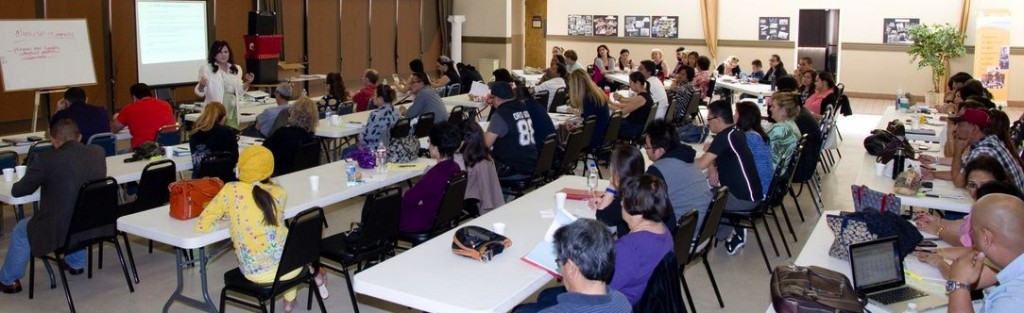
As a condition of recertification, Administrators must complete at least 40 hours of continuing education during each two-year certification period.
| VENUE:
ZOOM US |
Live Streaming
8:00 a.m. – 5:00 p.m. Sunday |
| Topic: | Date: |
| Care for persons with Alzheimer’s Disease | FEBRUARY 22, 2026 |
| Medication Management | MARCH 22, 2026 |
| Postural Supports, Restricted Health Condition | APRIL 26, 2026 |
| VENUE:
ZOOM US |
LIVE STREAMING
8:00 a.m. – 5:00 p.m. Sunday |
| Topic: | Date: |
| Emergency Disaster Contingency Plan | MAY 31, 2026 |
| Abuse Prevention | JUNE 28, 2026 |
| Care for person’s with Alzheimer’s Disease | JULY 26, 2026 |
| Medication Management | AUGUST 23, 2026 |
| Postural Supports, Restricted Health Condition | SEPTEMBER 27, 2026 |
| Emergency Disaster Contingency Plan | OCTOBER 25, 2026 |
| Abuse Prevention | NOVEMBER 22, 2026 |
1.How To Safely Administer Medication
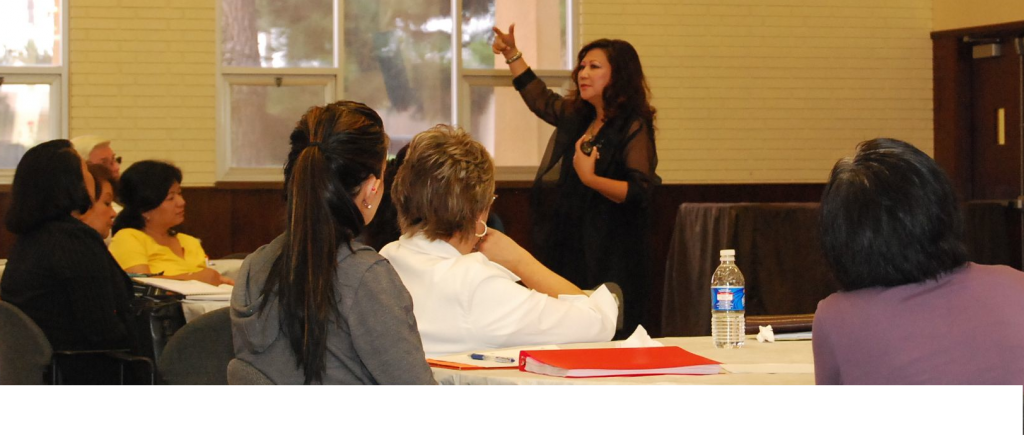
The course covers medication names, classifications of medications, therapeutic actions of medications, medication orders, abbreviations, the Five Rights of Medication Administration, and adverse reactions to medications. In addition, participants learn about medication policies and procedures, including administration, set-up, refills, changes in medication orders, discontinued and expired medications, discharge or transfer of residents, crushing of medications, PRN medications, medication records, emergency medications, injectables, and proper medication storage.
As part of the course, participants learn how to develop medication policies and procedures to ensure compliance with Health and Safety Code regulations and prevent accidental mishandling when providing assistance with self-administered medications. They also complete mock documentation for PRN, or as-needed, medications and other mandatory documentation, including Centrally Stored Medication Records and Destruction of Medication Records. Finally, participants learn ways to prevent medication errors in an RCFE.
2. Understanding Dementia
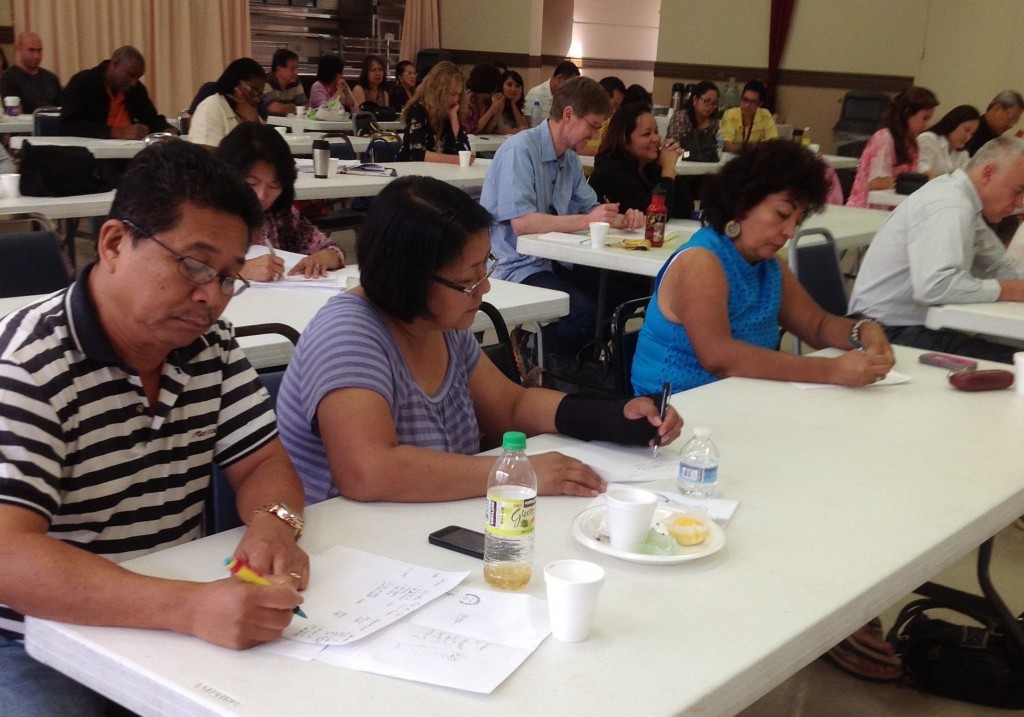 The lecture provides an overview of dementia, including its different causes, signs and symptoms, diagnosis, genetic factors, and treatment. In addition, participants learn about the stages of dementia, communication with a person with dementia, and various positive approaches for dealing with behavioral manifestations. The course also addresses important concerns such as mobility, nutritional needs, and maintaining a safe environment for persons diagnosed with dementia. Finally, participants learn about the effects of dementia on communication, applicable Title 22 regulations for the care of persons with dementia, and appropriate activities for persons with dementia.
3. Depression In Seniors
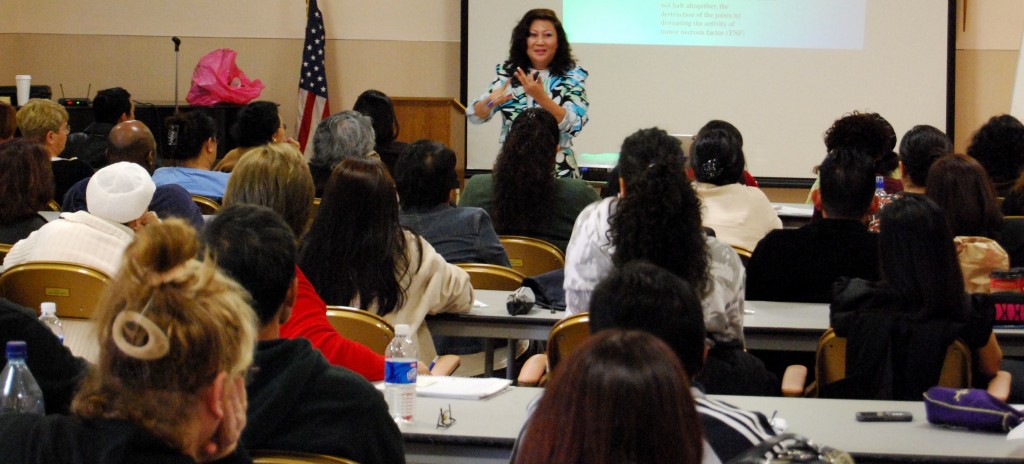
This course teaches Administrators about the causes of depression in the elderly and how to recognize signs and symptoms of depression that may affect residents in a residential care facility. Specifically, the course covers psychological, environmental, and physical factors, including genetics, medications and treatment, differences between dementia and depression, physical and behavioral manifestations of depression, and what the facility can do if a resident is experiencing depression.
In addition, participants discuss factors that may trigger depression among the elderly, such as long-term illness, medications, changes in living environment, loss of self-worth, and loss of a spouse. In particular, these circumstances can significantly affect residents in a licensed facility. Because caregivers may view “slowing down” as a normal part of aging, they may overlook the signs and symptoms of depression. As a result, residents may experience delays in receiving appointments and treatment from a mental health professional.
4. Challenges In Caregivers
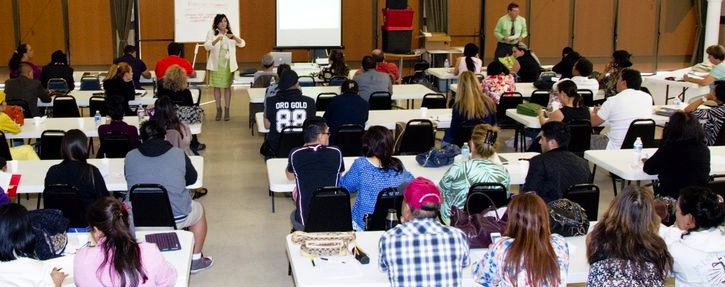 This course enhances Administrators’ knowledge of common challenges in caregiving, including stress, staff burnout, employee conduct, communication with residents, staff training, cultural sensitivity, and the potential for abuse when dealing with difficult clients. In addition, participants learn about the development of employee policies and procedures and what constitutes grounds for termination, suspension, and verbal warnings. Finally, the course examines the causes of staff burnout and how it can affect the care of residents at the facility.
5. Arts and Crafts for the Elderly
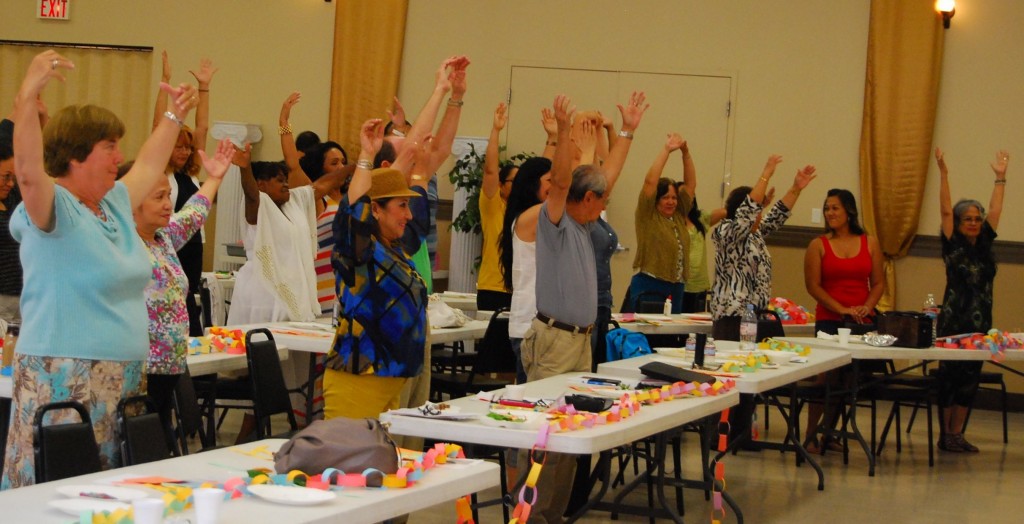
This course focuses on arts and crafts activities appropriate for each resident’s specific condition, level of functioning, and physical limitations. Additionally, Administrators identify appropriate objectives and learn how to evaluate each activity. In addition, participants take part in class demonstrations and group activities that introduce various arts and crafts projects, materials, and techniques.
The course also explains how arts and crafts can benefit seniors. For example, participants use different arts and crafts materials and mediums to enhance social interaction, improve self-esteem and hand-eye coordination, and stimulate the mental awareness of residents in care. Finally, participants learn how to develop an activity calendar.